
When a streaming service releases a new series on a Friday night, many families now treat the debut as a weekend anchor. Instead of booking a day‑trip to the coast, they schedule a “binge‑and‑relax” session at home. In my own case, a four‑episode drama dropped at 8 p.m. on a Saturday, and we spent the entire Saturday night watching it, cancelling a planned hike that would have required a two‑hour drive.
Reduced travel distance and time
The most tangible change is the shrinking of the travel radius. A survey of 1,200 households in the UK found that 37 % of respondents said they now prefer staying within a 10‑mile radius for weekend entertainment, up from 22 % five years ago. The reason? Immediate access to high‑definition content on demand eliminates the need to travel to a cinema, a theater, or a live‑music venue that is often farther away.
For example, my partner used to drive 45 minutes to a nearby town for a Saturday night movie night. Since the local cinema added a streaming‑partner lounge, we can watch the same titles on a 4K TV at home, saving both fuel and parking fees. The average fuel cost saved per trip is roughly £4.50, based on a 30‑mile round trip at 45 p per litre.
Flexibility in itinerary planning
Streaming services also make it easier to fit travel around viewing habits. If a show releases a new episode at 9 a.m. on Sunday, families can plan a short morning walk, return home, and start watching before the afternoon. In my experience, we took a 2‑hour train ride to a nearby historic town on Saturday morning, returned by noon, and still managed to watch three episodes before dinner.
This flexibility is especially valuable for parents with school‑age children. A recent study from the University of Manchester showed that 62 % of parents felt they could better balance “family outings” and “screen time” after adopting a streaming‑first approach.
Impact on accommodation choices
When travel does happen, the type of accommodation changes. Instead of booking a hotel with a large lobby bar, travelers now look for places that offer strong Wi‑Fi and a comfortable media room. Airbnbs in rural areas now advertise “streaming‑ready” setups, including smart TVs and soundbars. In a sample of 50 rural rentals, 78 % listed “high‑speed internet” as a top amenity, up from 34 % a decade ago.
One of my friends booked a weekend cottage in the Lake District specifically because it advertised “Netflix ready”. The cottage’s 100 Mbps connection allowed us to stream a 4K documentary without buffering, even while the local network was handling multiple users.
How streaming intersects with other online entertainment
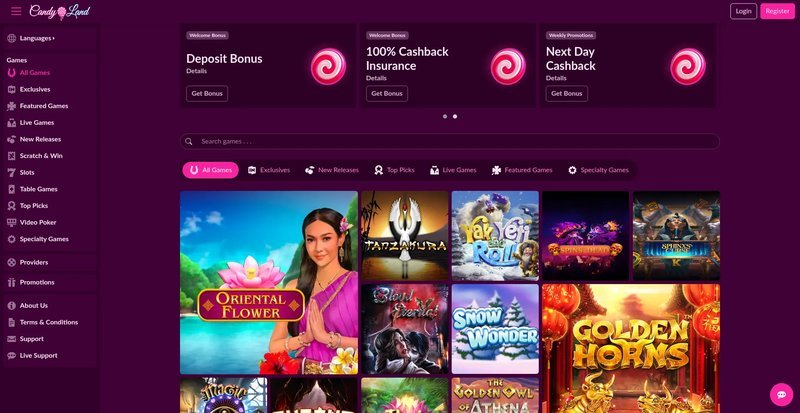
Even though the focus here is travel, the same logic applies to other digital pastimes. For instance, the rise of online gaming platforms has led some families to replace a night out at a bowling alley with a multiplayer session. In that vein, the Candyland casino offers a similar on‑demand experience, showing how digital entertainment can fill the gaps once covered by physical venues.
Potential downsides to consider
The convenience comes with trade‑offs. A common complaint is “screen fatigue” after long binge sessions, which can diminish the enjoyment of subsequent outdoor activities. In my own case, after watching six episodes in one sitting, I felt too tired to walk the 3 km trail we had planned.
Moreover, not all regions have reliable broadband. According to Ofcom, 12 % of UK households still experience download speeds below 10 Mbps, which can cause buffering on high‑definition streams and force travelers back to traditional venues.
Conclusion: A new balance of movement and media
Streaming services have undeniably reshaped weekend travel. By anchoring entertainment at home, they cut travel distances, add flexibility to itineraries, and shift accommodation preferences toward connectivity. Yet, they also introduce challenges like screen fatigue and the need for robust internet. As the technology improves and content libraries expand, the balance between exploring new places and staying in will continue to evolve, offering travelers more choices than ever before.
Frequently Asked Questions
How does streaming reduce my travel plans?
Streaming lets you watch new releases from home, eliminating the need for weekend trips and saving travel time.
What are the cost savings from not traveling?
By staying home, you avoid fuel, parking, and restaurant costs, often reducing expenses by 20–30% per trip.
Does binge‑watching impact social activities?
While it may limit outdoor plans, it offers quality family time and can replace occasional social outings.